Cold Mornings, Crisp Work: Your June Gardening Guide
Winter has firmly arrived in South Wairarapa. Those crisp Martinborough mornings bring heavy frosts that sparkle on the grapevines, and while it is tempting to stay inside by the fire, June is one of the most productive times to get stuck into the garden. The groundwork you lay now determines how spectacular your backyard looks come spring. Grab your thickest woolly socks and your favourite jacket — here is your quick game plan for the month.
The groundwork you lay now determines how spectacular your backyard looks come spring. Grab your thickest woolly socks and your favourite jacket — here is your quick game plan for the month.
The Edible Garden
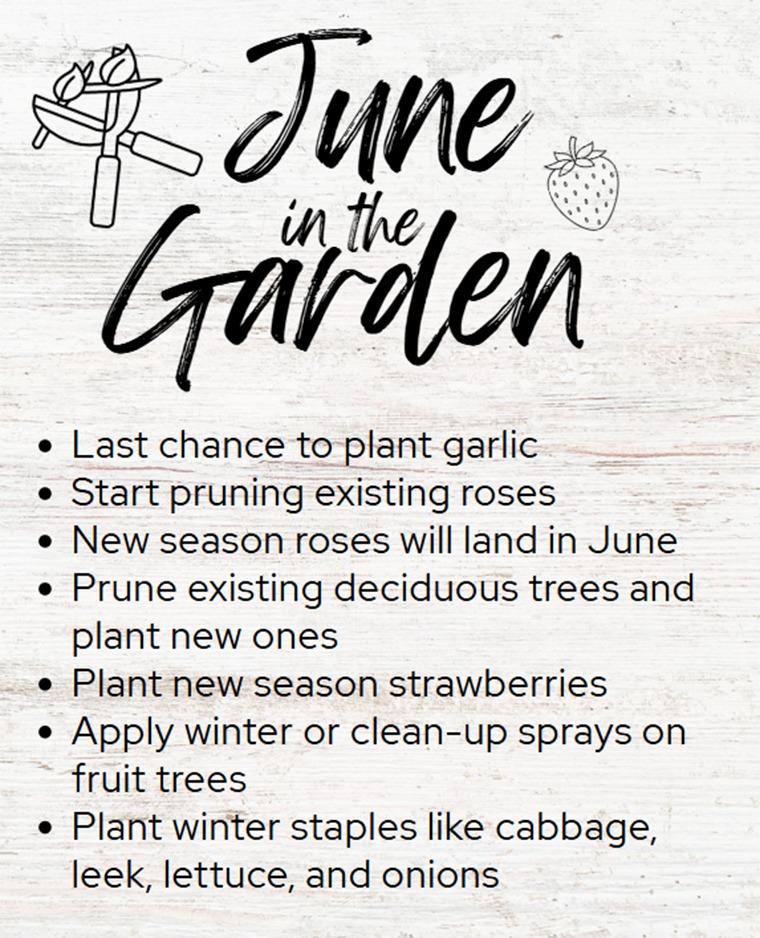
If you haven’t got your garlic and shallots in the ground yet, make it your top priority. Getting them into our free-draining soil early gives them a fantastic head start. Protect empty veggie beds from heavy winter rain by covering bare soil with pea straw or planting a green cover crop like lupin to keep the soil healthy. You can still plant out hardy winter champions like kale, spinach, and broccoli—just keep an eye out for slugs. If you have yams growing, wait until a few heavy frosts hit before harvesting; the freezing temperatures convert the starches to sugars, making them much sweeter for a Sunday roast.
Fruit and Roses
June marks the arrival of the bare-root season, making it a highly cost-effective time to plant new-season fruit trees and roses while they are dormant. Prepare your planting holes ahead of time, mixing in plenty of rich compost and organic sheep pellets. Once the leaves have completely fallen from your apples and pears, grab your sharpest secateurs. Prune to create an open vase shape, which lets sunlight into the centre of the tree and reduces the risk of fungal diseases. Just remember to hold off on pruning stone fruit like peaches and plums until late summer to protect them from silverleaf.
Tidy Up and Tuck In
Winter gardening is largely about protection. Apply a generous layer of mulch around your ornamental trees and perennial beds to act like a warm winter duvet, keeping soil temperatures steady and suppressing weeds. For frost-tender plants like young citrus, wrap them securely in frost cloth, as a single heavy local frost can undo a year of growth overnight. Finally, take an hour on a rainy afternoon to clean and oil your garden tools. Your wrists will thank you when the spring rush arrives.
See you out in the dirt, or perhaps at the local café thawing out afterwards!