The sweeping changes of Rogernomics in 1984 created havoc in the farming industry. SMPs, or Supplementary Minimum Payments which had been introduced in the Muldoon era were abolished. The effect was draconian. Sheep and Beef farmers were heavily impacted.
Farms were lost because farmers could not pay the interest rates on loans at 20%. Families struggled to keep food on the table. Then the price of sheep and beef plummeted due to protectionist markets in England and Europe.
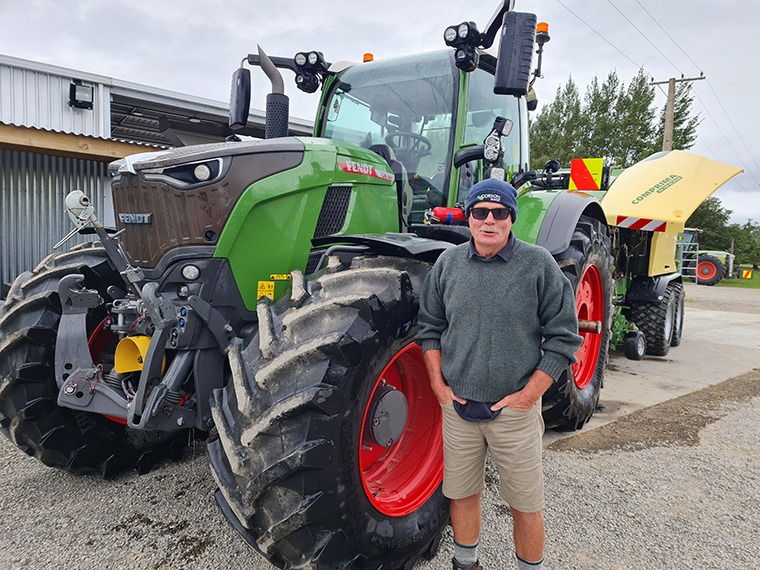
Richard Kershaw was one of those farmers affected. He turned to growing crops for seeds. In 1991 Graeme Corrin, who managed a company based in Masterton called Asgrow seeds, an American based seed company. Graeme organized Asgrow to host a group of New Zealand farmers to go to Idaho and see how they were managing their seed crops. Richard Kershaw was part of this group. “We were staggered”, he said “I had never seen a field of onions in flower before. It was quite beautiful. Corn and peas were other staples being grown.
“We were staggered”, he said “I had never seen a field of onions in flower before. It was quite beautiful. Corn and peas were other staples being grown.
Wairarapa farmers had been growing peas for seed for years. In 1923 a seed cleaning and processing plant was built in Ngaumutawa Rd. It was acquired by Yates in 1974 and on sold to Asgrow USA in 1987. Subsequently it has been through further owners and is now owned by Beyer.
As Richard says, the South Wairarapa is an ideal place for seed growing. The river flats are fertile; the alluvial ground and silt soils are prefect for high value intensive cropping”. We grow a wide variety of crops including Onions, Red as well as Brown, Clover, Barley, Wheat, Maize, Corn, Squash, Hybrid Spinach, Pumpkin, Quinoa, Chia, Pak Choi, Mustard, Komatsuna seeds, Rye Grass, Marrowfat Peas, Rocket and Coriander seed. We produce the corn seed for the delicious Honey and Pearl corn.
“The South Wairarapa is an ideal place for seed growing. The river flats are fertile; the alluvial ground and silt soils are prefect for high value intensive cropping.”
“Our seeds go all over the world to Japan, Korea,Europe, Australia, and America,”.
“But there are always highs and lows in farming.
In 1991 Mt Pinatubo erupted. Ash and dark skies contributed to a difficult harvest. But in the years following we had good harvests. I have often wondered whether more Sulphur in the atmosphere could have increased fertility.
Then in 2016 the pea weevil wreaked havoc. There was a moratorium of four years where peas could not be grown. It was catastrophic but with the cooperation of all growers, as well as residents, who refrained from growing peas the weevil was eradicated. According to Biosecurity at the time, they reported that this was the first time in the world the pea weevil had ever been successfully eradicated. Identifying it early and swiftly containing it to prevent a wider infestation contributed to that success.
Looking ahead”, says Richard “Our next step is to have a better storage and drying facility for our grains and seeds, which would significantly reduce transport costs and bring back confidence and financial viability to the local Arable industry
As for the weather. It seems this year we have dodged a bullet. The terrible storms did not damage our crops nearly as badly as Hawkes Bay, Gisborne and Christchurch”.