NZ Transport Agency is currently considering reducing funding to normal Funding Assistance Rates (FAR) and phasing out the Special Purpose Road status of Cape Palliser Road. SWDC have been informed they will receive a decision by mid-2026.
Affordable and reliable road access to the coast is essential. The community already contributes significantly to repairs and maintenance. Expecting ratepayers to shoulder the burden of future costs to repair and maintain a road of national, cultural, and tourism significance is unreasonable.
A reduction in FAR and the loss of Special Purpose Road status would place unsustainable pressure on the community and increase the risk of reduced maintenance, as well as compromising safety.
“30 years ago we purchased several acres at Matakitaki-a-Kupe (Cape Palliser)”, says Carol Hawkins. “We consider ourselves kaitiaki of this land and the surrounding area. It is not simply a place we own – it is a place we care for, protect, and share.”
“We consider ourselves kaitiaki of this land and the surrounding area. It is not simply a place we own – it is a place we care for, protect, and share.”
Cape Palliser is frequently listed among the Top 10 Lower North Island attractions.
It is renowned for its remote situation and wild beauty. It has the largest fur seal colony in New Zealand.
Cape Palliser Lighthouse – with its 253 steps – is the only red-and-white striped lighthouse in the country and the historically significant Pukeatua Pā site sits behind: Matakitaki a Kupe Reserve. Kupe, our earliest explorer, discovered Aotearoa around 1,000 years ago and spent time at Matakitaki-a-Kupe before settling for a time at Kawakawa near Ngāwī. The wider area contains many Wāhi Tapu and sites bearing Kupe’s name, including Ngā Rā o Kupe (Kupe’s Sail), Matakitaki-a-Kupe, Te Mimi-a-Kupe, the Sacred Pool of Kupe, Kupe’s Spyglass, and Ngā Toto o Kupe.
The area extends to include the Wairarapa Dark Sky, the Putangirua Pinnacles and the Aorangi Forest Park”
Few places in New Zealand can offer such a range of diverse activity.
The community has worked closely with Greater Wellington Regional Council for several years with planting and pest-control programmes. The arrangement has been mutually beneficial and has supported environmental management in the area. Maintaining access is critical to meet national biodiversity goals.
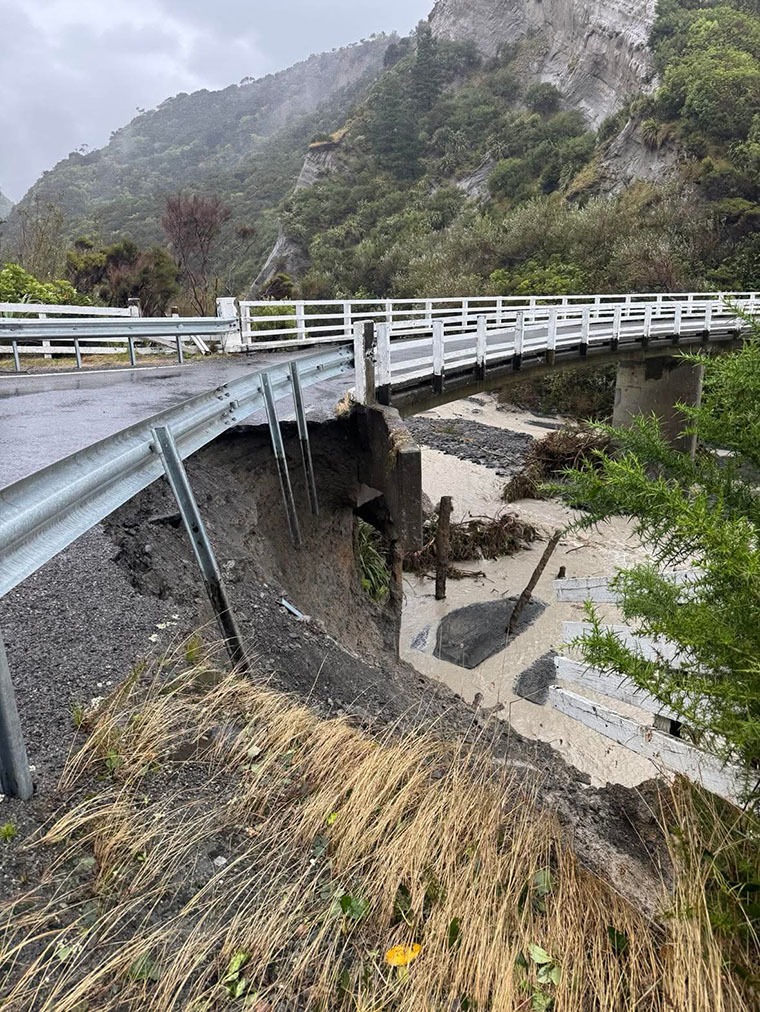
Flooding, coastal erosion, and severe weather events regularly impact theroad, often coinciding with power outages and communication failures. These conditions can severely restrict access for emergency and essential services as was clearly illustrated in the last weeks with the devasting weather affecting the bridge at the bottom of the Hurupi making the road in question impassable for several days.
The Eco reef installations have proved highly effective in reducing storm damage, and coastal erosion illustrating the value of targeted resilience investment and the associated saving of maintenance costs.
Continued funding support, rather than withdrawal is both prudent and cost-effective.
“Most importantly we want NZTA to formally confirm the continued retention of Cape Palliser Road as a Special Purpose Road beyond the 2027-30 period, and ensure that future infrastructure planning recognises its strategic, cultural, historical, and regional significance” say this South Wairarapa community. This area is unique and needs to be valued”.